DIY RO SERVICE
Home / DIY SERVICE
How To Repair An Undercounter Reverse Osmosis System In Venice, FL
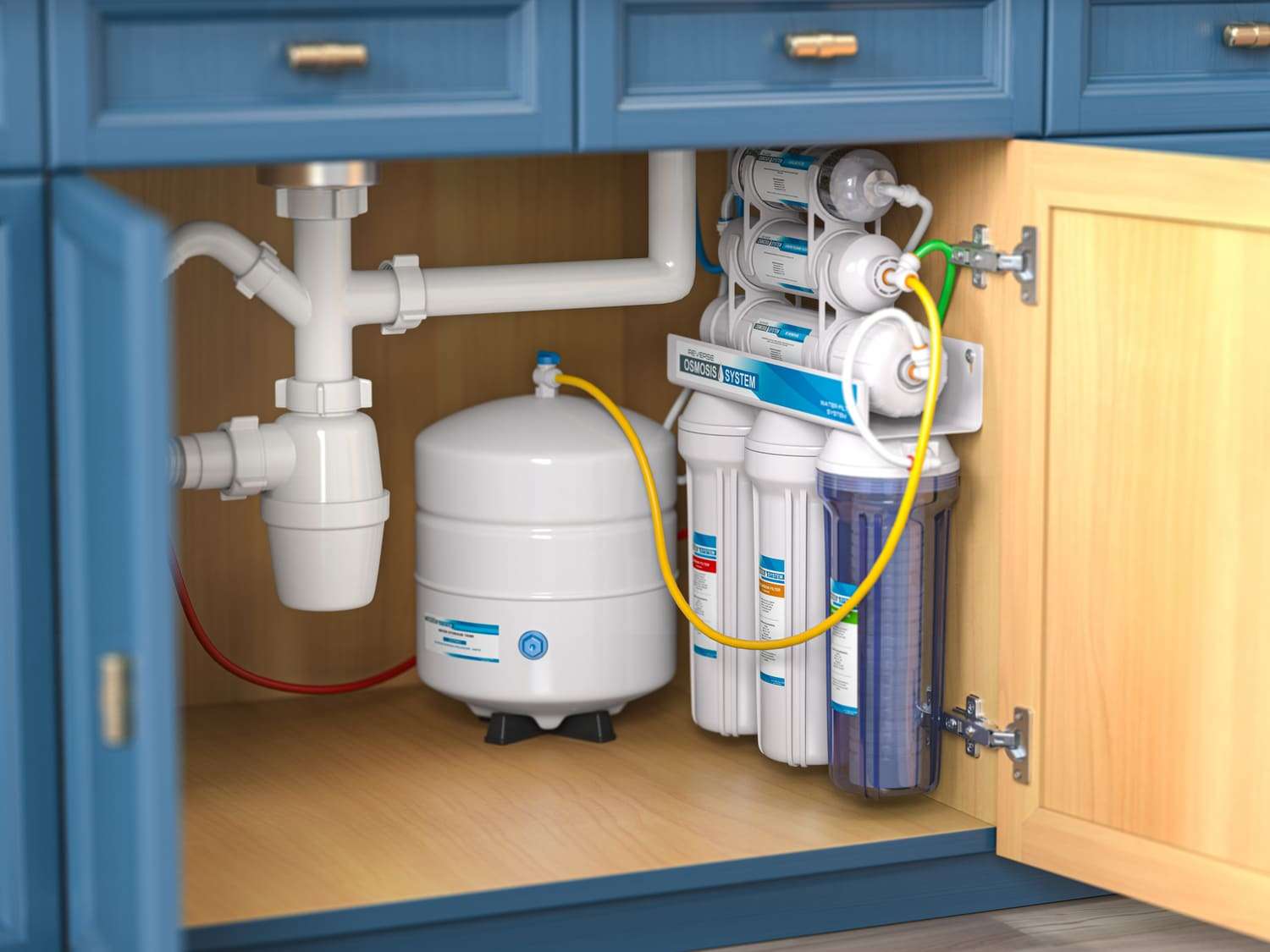
If your under‑sink drinking water system suddenly starts leaking, loses pressure, or the water tastes off, it is usually a problem with the undercounter reverse osmosis system—not your entire plumbing. The good news: most issues are predictable, and you can decide very quickly whether you want to repair an undercounter reverse osmosis system yourself or call a licensed Venice plumber.
This guide walks Venice homeowners through how to repair an undercounter reverse osmosis system, what to check first, and when it is smarter to bring in a local professional.
Before You Repair An Undercounter Reverse Osmosis System Under Your Sink
Any time you repair an undercounter reverse osmosis system, you are working in a tight cabinet space with pressurized water lines. A few minutes of prep can prevent a flooded kitchen.
Shut Down The Undercounter Reverse Osmosis System Safely
Before you touch fittings or housings on an undercounter reverse osmosis system:
- Turn off the cold water feed valve going to the RO system
- Close the valve on the RO storage tank
- Open the RO faucet at the sink to relieve pressure
- Unplug any pump or UV light if your undercounter reverse osmosis system uses power
Once pressure is relieved, it is much safer to inspect and repair an undercounter reverse osmosis system without surprise sprays or sudden leaks.
Protect Your Venice Kitchen Cabinets While You Work
Florida humidity already works against wood. When you repair an undercounter reverse osmosis system in Venice, protect the cabinet:
- Lay towels or rags under the filters and tank
- Use a shallow tray or pan to catch drips
- Keep a small bucket handy if you need to drain the tank
This simple setup keeps your cabinet floor from swelling or warping while you troubleshoot the undercounter reverse osmosis system.
Common Problems Before You Repair An Undercounter Reverse Osmosis System
Most Venice homeowners see the same four symptoms before they repair an undercounter reverse osmosis system: low flow, no water, bad taste, or visible leaks.
Low Flow Or No Water From The Undercounter Reverse Osmosis System
If the RO faucet only trickles, start with these checks before you repair an undercounter reverse osmosis system:
- Confirm the cold water feed valve is fully open
- Make sure the tank valve is open and the tank feels heavy (full)
- If the tank is light and empty, the undercounter reverse osmosis system may not be filling
- Look for kinked or crushed tubing under the sink
- Listen for water constantly running to the drain (possible stuck shutoff valve or clogged flow restrictor)
In many cases, you repair an undercounter reverse osmosis system with low flow by replacing clogged pre‑filters or a failing automatic shutoff valve.
Bad Taste Or Odor From The Undercounter Reverse Osmosis System
If your “filtered” water tastes flat, musty, or like chlorine, the filters in the undercounter reverse osmosis system may be overdue:
- Sediment and carbon pre‑filters usually need replacement every 6–12 months
- The RO membrane typically lasts 2–5 years, depending on Venice water quality
- A worn post‑carbon filter can cause off‑tastes even when the membrane is still working
Often, you repair an undercounter reverse osmosis system with bad taste simply by replacing all filters and flushing the system thoroughly.
Leaks Under The Sink From The Undercounter Reverse Osmosis System
A leak is the most urgent reason to repair an undercounter reverse osmosis system. Typical leak points include:
- Push‑fit connections that are not fully seated
- Cracked filter housings or canisters
- Worn or twisted O‑rings
- Loose fittings at the RO faucet or drain saddle
- A damaged storage tank
To repair an undercounter reverse osmosis system with a leak, dry everything first, then:
- Wrap suspect joints with dry paper towels
- Turn the water back on slowly
- Watch for the first wet spot—that is usually your problem fitting or housing
If you cannot clearly see the source or the leak is heavy, it is time to stop and call a Venice plumber.
DIY Steps To Repair An Undercounter Reverse Osmosis System (For Confident Homeowners)
If you are comfortable with basic plumbing, you can repair an undercounter reverse osmosis system by replacing filters and tightening fittings. Work slowly and take photos before disassembling anything.
Replacing Filters On An Undercounter Reverse Osmosis System
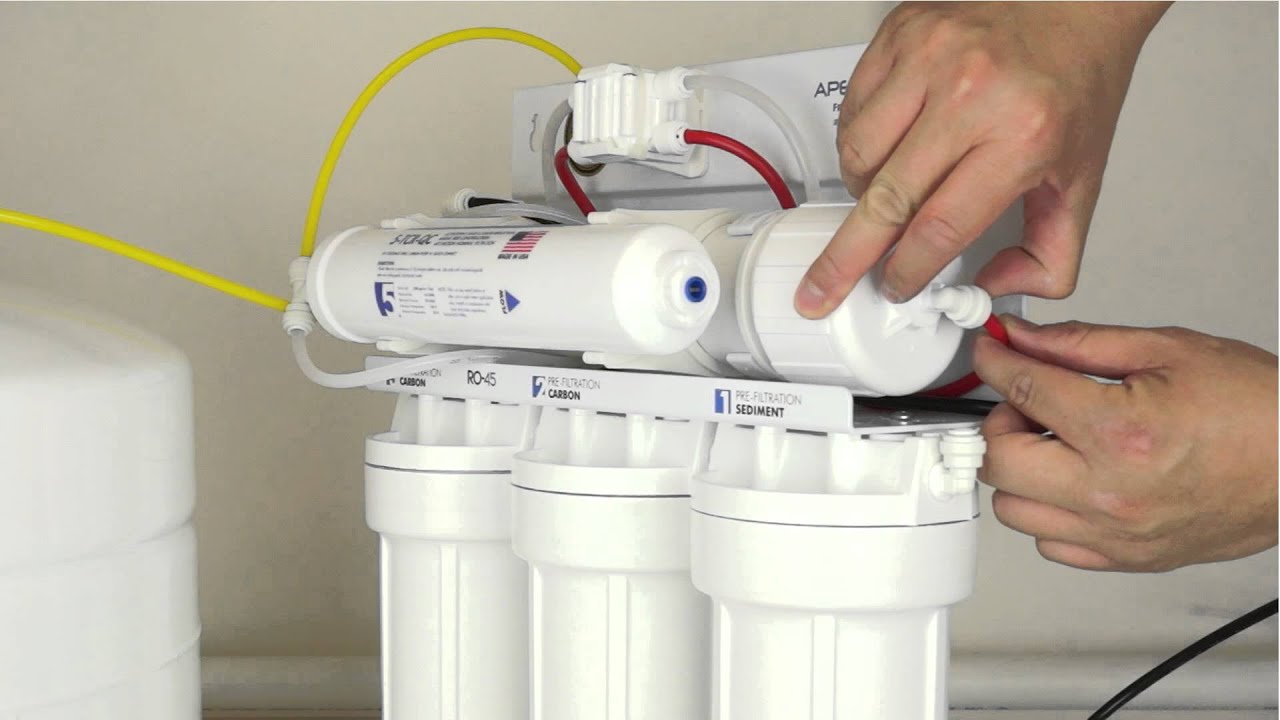
Filter changes are the most common way to repair an undercounter reverse osmosis system:
- Turn off the feed water and tank valve, and open the RO faucet to relieve pressure
- Place towels and a pan under the filter housings
- Use the housing wrench to loosen each canister
- Remove the old filters and discard them
- Rinse the housings and inspect for cracks or discoloration
- Clean and lubricate O‑rings with food‑grade silicone
- Install new filters in the correct order (sediment first, then carbon, then any specialty cartridges)
- Re‑pressurize the undercounter reverse osmosis system slowly and check for leaks
This simple process restores flow and taste for many Venice homes without a full service call.
Tightening Fittings On An Undercounter Reverse Osmosis System
For small drips at push‑fit joints:
- Turn off water and tank valves
- Push the tubing firmly into the fitting to ensure it is fully seated
- Pull back gently to confirm it is locked
- If the end of the tubing is scratched or oval, cut off about ¼” to create a clean, square edge
- Reinsert and test again
This is often all it takes to repair an undercounter reverse osmosis system that drips at a single connection.
When To Call A Venice, FL Plumber To Repair An Undercounter Reverse Osmosis System
Not every homeowner wants to repair an undercounter reverse osmosis system alone. In many cases, hiring a licensed plumber in Venice is the safest, fastest option—especially when:
- The leak is heavy or has already damaged the cabinet
- You see mold, swelling, or soft spots under the sink
- The undercounter reverse osmosis system has a booster pump, UV light, or complex add‑ons
- The system ties into a refrigerator, ice maker, or multiple faucets
- You are not comfortable shutting off water or cutting tubing
A local Venice plumber can pressure‑test lines, replace damaged parts, and fully repair an undercounter reverse osmosis system while protecting your home.
How To Keep Your Undercounter Reverse Osmosis System In Good Shape
The best way to avoid emergency repairs is to treat maintenance as part of how you care for an undercounter reverse osmosis system:
- Replace pre‑filters every 6–12 months
- Replace the RO membrane every 2–5 years or when TDS readings climb
- Sanitize the storage tank and housings annually
- Inspect tubing and fittings any time you are under the sink
- Call a Venice plumber at the first sign of repeated leaks or cabinet damage
With simple, scheduled maintenance and timely help from a licensed professional, most Venice homeowners rarely face major work to repair an undercounter reverse osmosis system.